This is food.


Every meal should help us achieve a better tomorrow.
That’s why, at JBS, we feed the broader needs of our team members, our communities, and our planet – by providing billion-dollar investments in sustainability, rural infrastructure, access to life-changing education and more.
Explore our impact
Our Stories
Our team members come from all walks of life, all around the globe. Our life experiences are as unique as we are. But we all have one thing in common: we’ve found opportunity here. Our lives are on a new path. These are our stories.
Learn More
Our Approach to Net Zero
Our five initial steps to reach net zero greenhouse gas emissions by 2040 include:
- Investing more than $1 billion in upgrading facilities and equipment by 2030.
- Investing $100 million in research and development projects by 2030.
- Reducing emissions in all JBS facilities by 30% by 2030.
- Using 100% renewable electricity by 2040.
- Tying environmental performance to executive compensation to ensure accountability.
Latest News

At COP 28, JBS announces US$9 million investment to support mandatory traceability in Pará and improve livelihoods of small producers in the Amazon Region
The company has entered into a partnership with the state government for a mandatory traceability program and, alongside the JBS Fund for the Amazon, is announcing various projects aimed at supporting small producers and local farmers

Our Brands
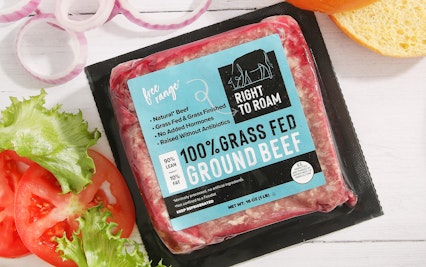
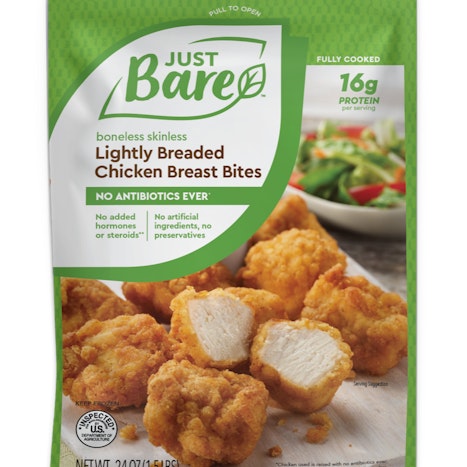
We bring great-tasting foods to markets around the world through a variety of brands that celebrate an assortment of tastes and preferences.
See All BrandsResponsibly meeting today’s tastes for a more sustainable tomorrow.
Our Sustainability Report
Innovation
We are innovating continuously to move at the speed of taste and ensure the highest standards of quality in everything we do.
Our Business